Tehran (FT): Two months ago Iran’s Trade Promotion Organization stopped online registration of imported cars due to which 15,000 vehicles cannot be released from the customs
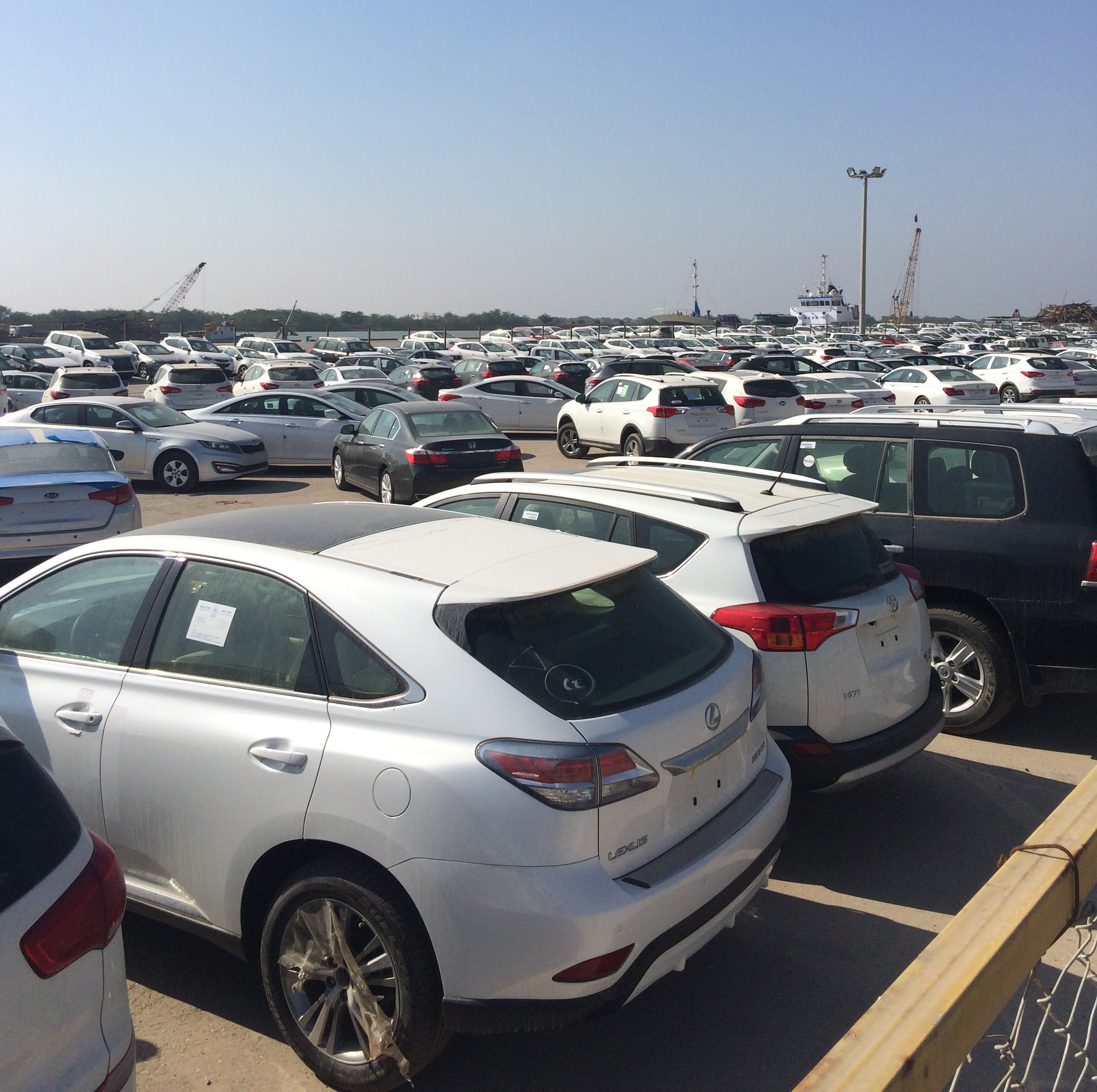
A source inside the Islamic Republic of Iran Customs Administration has leaked information indicating that 15,000 cars are stuck in the customs because of a disagreement between a state organization and importers over a regulation. According to a source who spoke to the government newspaper ‘Iran’ on the condition that he not be identified, said the majority (6,000) of the imported vehicles are produced by the French carmaker Renault — 6,000 units. It is also reported that importing companies have not been able to release 4,000 Hyundai and 1,000 Volkswagen vehicles. With the average price of the imported vehicles at around $40,000, the total value of vehicles stuck in the customs amounts to $600 million.
According to Mohammad Mortezaie, head of marketing and retail development at Negin Khodro, the official importer of Renault cars, the problem is that the Trade Promotion Organization of Iran has stopped issuing online auto import permits. As per law, after obtaining the required documents from the Ministry of Industries, Mining, and Trade for each model, local importing companies are also required to make an online registration with the TPO for every single unit.
The online service known as ‘Sabtaresh’ has been down for more than two months. Initially, the organization said it was due to ‘technical problems’ with the website. However, later the TPO chief Mojtaba Khosrotaj said the measure is planned to help reduce the trade deficit. Khosrotaj said, “The online application system will not be up and running until the government issues new guidelines for auto imports.” The new Industries Minister Mohammad Shariatmadari took office a month ago but there has been no report about when the new guidelines will be announced.
However, a draft of the document that is in the making has been published on the official website of the government. It says a new clause will be added to auto import regulations that stipulate car importers must also invest in local car manufacturing. According to this clause, “Auto importers have two options: starting local production or partnering with Iranian car manufacturers. The total value of cars imported by the companies will not exceed the value of the importers’ domestic production by more than half.”
Following the dispute the Iran Auto Importers Association filed a complaint against the TPO’s Khosrotaj. Deploring the move as “disruptive”, Farhad Ehteshamzad, the association’s director told Financial Tribune, “An official complaint against Khosrotaj has been launched with the judiciary.” According to Ehteshamzad, the TPO’s haphazard decision in addition to imposing financial losses on auto importers has also tarnished their public image. “The association will not drop the case against Khosrotaj,” he stressed. While Khosrotaj says that the new permits cannot be issued before ratification of the new guideline, Ehteshamzad disagrees. “Law stipulates that the Ministry of Industries and TPO are obliged to issue permits to anyone who meets the existing legal requirements.” In his opinion “Shutting down the online registration system has no legal justification. If the ministry wants to change the guidelines it must follow legal protocols.” According to rules, before introduction of any new directive the government cannot and should not change or suspend existing procedures.
General Guide to Auto Imports
Apart from the new added clause the guideline is in line with previous editions, requiring importers to offer at least the bare minimum after sales services, have a representation deal with the foreign carmaker or one of its official distributors. The rules further require auto importers to scrap 2-8 old cars for each imported unit. According to the ruling, “issuance of registration plates” will require scrapping old cars based on imported cars fuel consumption rate. Companies now are obliged to send between 2-8 worn-out vehicles to the scrap yard if they import cars and pickups with a fuel consumption of more than 5 liters/100km.